
COP 30: ONE STEP FORWARD, TWO STEPS BACK
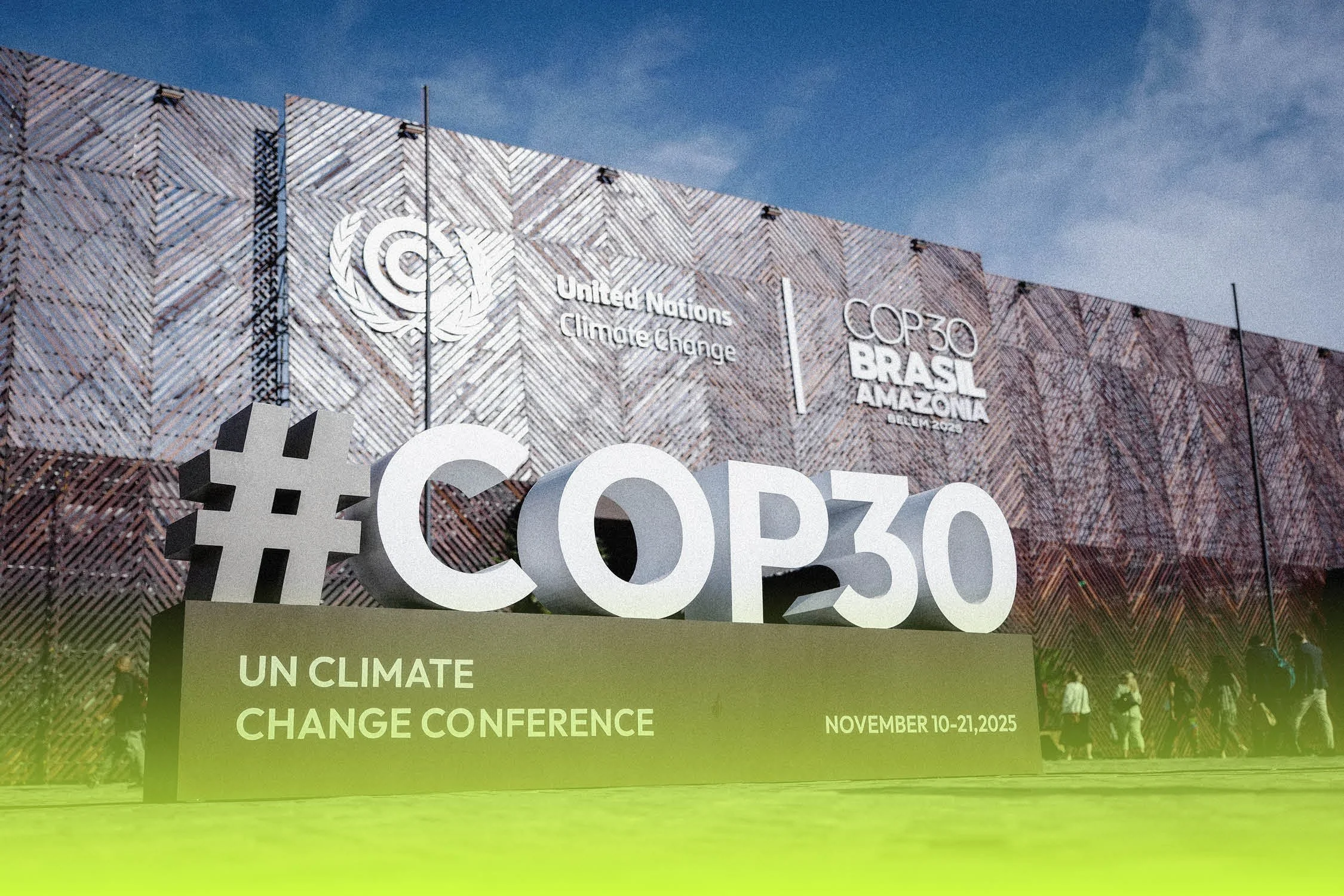
COP30 in Belém delivered several meaningful outcomes, particularly in the realm of climate resilience. Countries committed to significantly expanding adaptation funding — pledging to double it by 2025 and triple it by 2035 — and agreed on clearer replenishment cycles for the Loss and Damage Fund. New mechanisms, such as the Global Implementation Accelerator and the Belém Mission to 1.5°C, were introduced to help nations translate climate pledges into practical, implementable action. These steps reflect a growing global recognition of the urgent need to support communities already living with the harsh realities of climate change.
Yet despite these advances, COP30 fell short in critical, foundational ways. Negotiators failed to produce a pathway for phasing out fossil fuels, even though more than 80 countries supported such language. Key proposals on emissions reduction, deforestation targets, and stronger accountability mechanisms were weakened or sidelined altogether. The final text acknowledges the likelihood of temporarily overshooting 1.5°C, but offers only vague, voluntary measures to address it. These omissions leave the world without a clear plan to tackle the very causes of accelerating climate breakdown.
From The War on Climate’s perspective, the most significant failure was the continued exclusion of military emissions from global climate reporting and commitments. With armed conflict and military activity responsible for an estimated 5.5% of global greenhouse gas emissions, leaving this sector uncounted distorts national climate data and undermines climate justice. Wars destroy ecosystems, poison water sources, and generate vast carbon emissions — yet COP30 once again avoided confronting these impacts. For meaningful progress, future climate negotiations must acknowledge the environmental cost of war and require full, transparent accounting of military-related emissions. Until then, global climate policy will remain incomplete, and the path to true climate stability will remain out of reach.