
UKRAINE TO CLAIM $44BN IN CLIMATE DAMAGES FROM RUSSIA
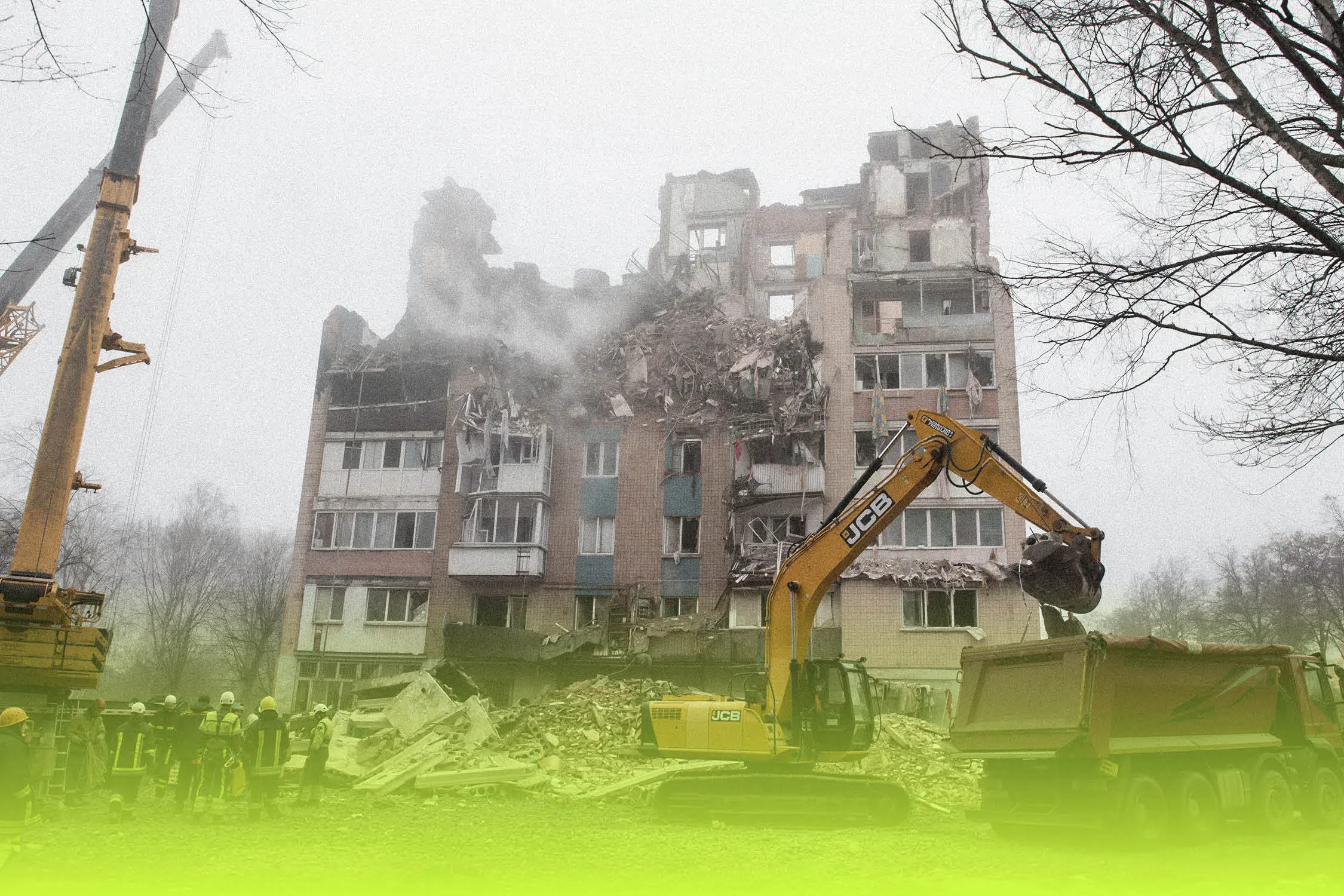
War is emerging as a major but often overlooked driver of global carbon emissions, and Ukraine’s conflict with Russia has become a stark example. Since the invasion began in 2022, Ukraine’s greenhouse gas emissions have surged by more than 230 million tonnes — roughly equal to the annual emissions of several European countries combined. Ukraine is now preparing a landmark claim for $44 billion in wartime environmental damage, making it the first nation to seek compensation for emissions caused by conflict formally. Officials argue that the war has devastated land, forests, and water systems, while releasing immense amounts of CO₂ through military operations, explosions, and widespread destruction.
The environmental toll goes far beyond carbon. Bombardments have contaminated soil and water with toxic chemicals, destroyed buildings that release hazardous materials when struck, and triggered massive forest fires that doubled related emissions. Heavy military machinery like tanks and fighter jets burn enormous amounts of fuel, while damaged energy infrastructure and the carbon-intensive process of reconstruction further increase the footprint. At the same time, governments divert resources away from climate programs and toward the war effort, making it even harder to monitor or mitigate emissions during conflict.
Researchers are only beginning to understand the full climate impact of war. Historically, military emissions were excluded from major climate agreements like the Kyoto Protocol and left voluntary under the Paris Agreement, creating huge gaps in global emissions accounting. Ukraine’s case may signal a turning point, pushing the international community to acknowledge the military’s role in global warming. But experts warn that emissions from wars in Ukraine and Gaza only scratch the surface; a comprehensive assessment must also include weapons manufacturing, supply chains, and the long-term environmental damage conflicts leave behind.
As the climate crisis accelerates, understanding — and addressing — the carbon cost of war is becoming increasingly urgent.