
THE CLIMATE BLIND SPOT
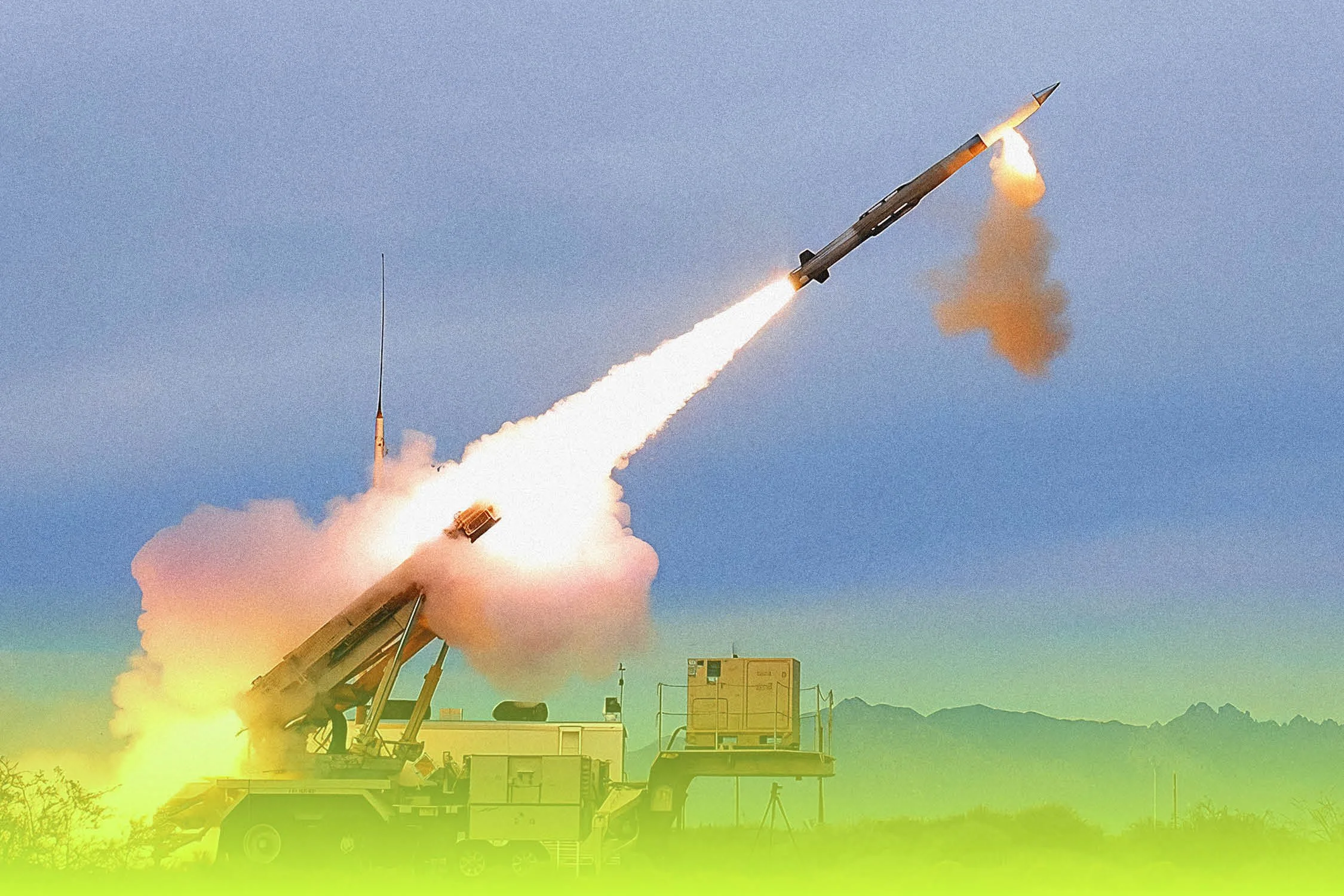
Military activity is one of the world’s largest contributors to greenhouse gas emissions, yet it remains almost entirely absent from global climate reporting and accountability. Despite producing emissions on a scale comparable to major industrialised nations, militaries are not required to disclose their carbon footprints under international climate agreements. This lack of transparency has created a long-standing blind spot in global climate policy, allowing governments to expand military operations while simultaneously presenting themselves as climate leaders.
Recent conflicts reveal the true scale of this hidden impact. Wars in Gaza and Ukraine alone have released emissions comparable to those of entire countries, with airstrikes, fuel-intensive logistics, and reconstruction efforts driving enormous carbon outputs. Beyond emissions, war inflicts lasting harm on ecosystems, destroys farmland, contaminates water systems, and forces decades of carbon-heavy rebuilding. At a time when global military spending is rising sharply, and geopolitical tensions are escalating, the environmental cost of conflict is set to grow even larger — yet remains largely unmeasured.
Closing this “military emissions gap” is essential for any credible path to climate stability. Governments must be required to report military emissions with the same rigour demanded of civilian sectors, supported by standardised methodologies and independent verification. Armed forces should also be required to develop transition plans aligned with global climate targets, reducing reliance on fossil fuels and minimising environmental damage. Without transparency, accountability, and a commitment to change, the world cannot hope to meet its climate goals.
Real climate action must include the true cost of war — and the time to act is now.